NHCO calls for a rethink of capacity building in South-South cooperation
NHCO calls for a rethink of capacity building in South-South cooperation
Moving beyond traditional training programmes, Thailand’s National Health Commission Office highlights the need for sustainable institutional development and stronger primary health care to address shared regional challenges.
Bangkok, 25 November 2026 — International development cooperation must move beyond knowledge transfer and short-term training programmes towards building institutions and communities capable of responding to an increasingly unpredictable world, the National Health Commission Office (NHCO) Thailand has told a regional forum in Bangkok.
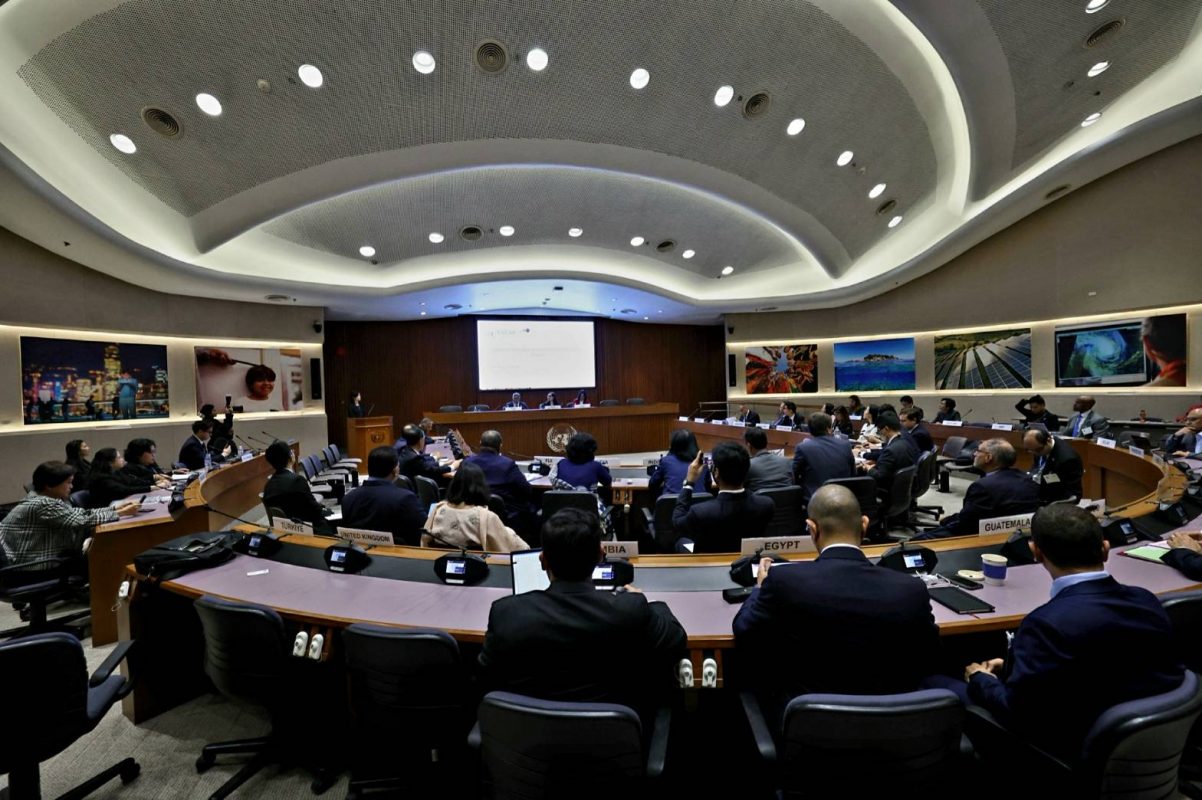
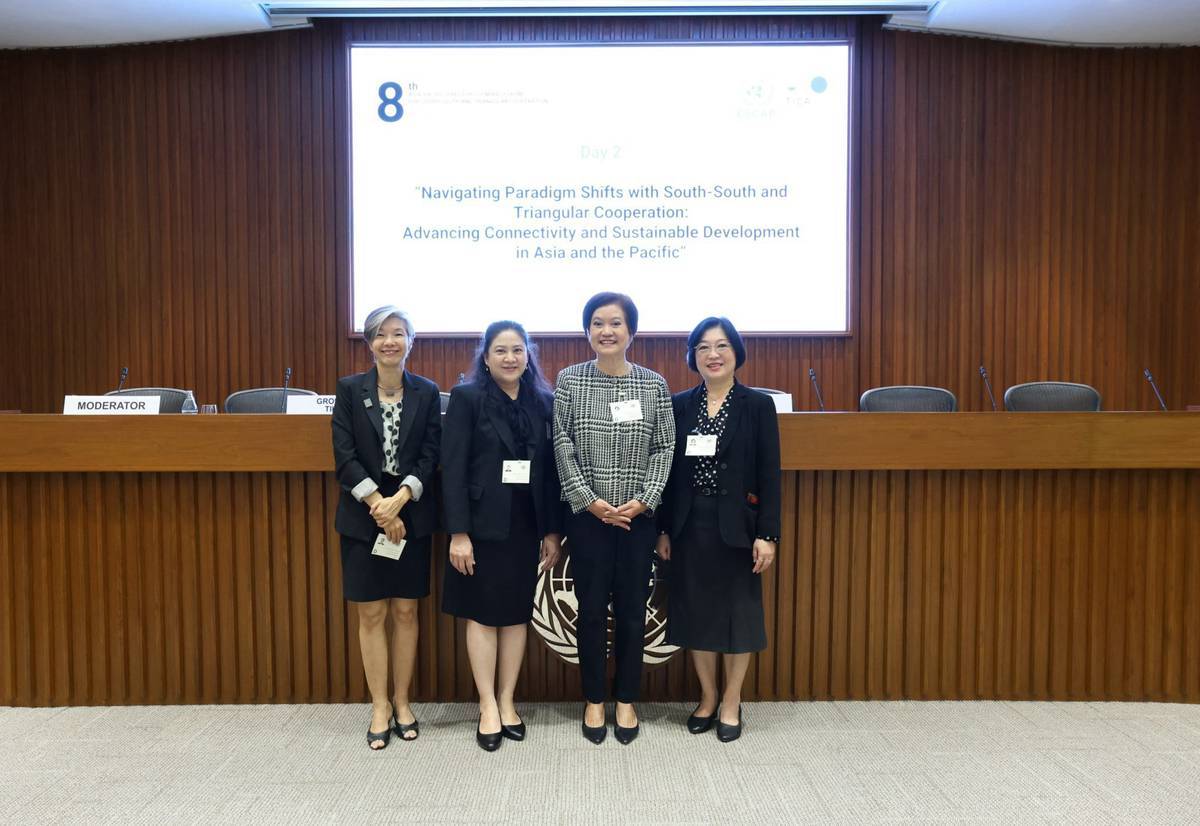
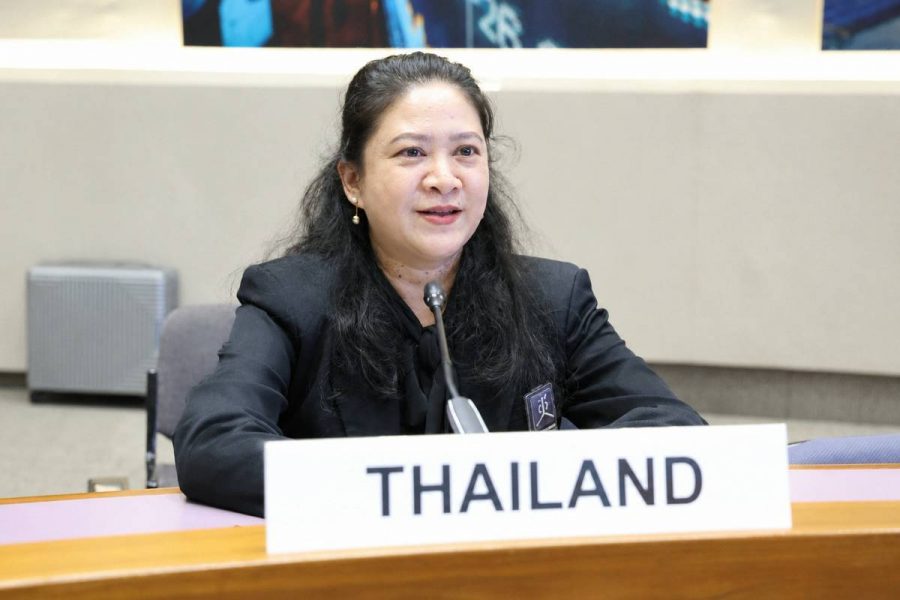
Dr. Tipicha Posayanonda, Deputy Secretary-General of the National Health Commission of Thailand, shared this perspective at the Eighth Asia-Pacific Directors General Forum for South-South and Triangular Cooperation, held on 24–25 November 2026 at the United Nations Conference Centre in Bangkok.
Jointly organized by the Thailand International Cooperation Agency (TICA) and the United Nations Economic and Social Commission for Asia and the Pacific (ESCAP), the forum brought together 26 countries from government officials, development cooperation agencies, international organizations and development partners to explore how international cooperation can respond to global development challenges and advance sustainable development.
Speaking during a session on strengthening the foundations of South-South and Triangular Cooperation, Dr. Tipicha highlighted three key areas.
Building collaboration between NHCO and TiKA
As a practical example of institutional capacity building through international cooperation, Dr. Tipicha presented a two-year collaborative initiative between NHCO and the Turkish Cooperation and Coordination Agency (TİKA), launched in 2026 under the Memorandum of Understanding between TICA and TİKA.
The initiative goes beyond equipping individuals with disaster management knowledge and skills. It seeks to establish community-level systems, mechanisms and resources that enable communities and local authorities to effectively manage disasters before, during and after they occur.
Under the partnership, NHCO develops the training curriculum and facilitates participatory learning, while TİKA supports the provision of rescue and emergency response equipment.
Rather than introducing a ready-made model, the project empowers communities to identify their own risks, assess their needs and design disaster management mechanisms suited to their local contexts.
Two expected outcomes are community-developed disaster risk management plans and locally designed disaster risk management centres. These are intended to translate individual knowledge and skills into collective and institutional capacity, providing a foundation for sustained disaster preparedness and response.
The initiative illustrates how international cooperation can move beyond training individuals to strengthening the systems, local ownership and resources that enable communities to become more self-reliant and resilient.
Moving beyond individual capacity building
Dr. Tipicha also challenged conventional approaches to capacity building, which often focus on training individuals without sufficiently addressing the institutional capacity in which they operate.
“But the question is: What happens after the training ends?”
She emphasized that sustainable capacity building requires four interconnected elements: individual competencies, organizational systems and procedures, institutional culture, and financial, technical and human resources.
Without these supporting conditions, newly acquired knowledge and skills may not translate into meaningful or lasting change.
She called for South-South and Triangular Cooperation to place greater emphasis on on joint learning, local ownership and sustainable institutional development, rather than knowledge transfer alone.
Primary health care as a priority for future cooperation
Looking ahead, Dr. Tipicha identified strengthening primary health care (PHC) as a strategic priority for international development cooperation.
With countries across the Asia-Pacific region facing common challenges, including population ageing, noncommunicable diseases and emerging infectious diseases, she argued that hospital-centred health systems alone were no longer sufficient.
Stronger primary health care could improve the efficiency and financial sustainability of health systems, reduce inequalities in access to essential services, and address the wider social and environmental factors that influence health.
She also emphasized the importance of multisectoral cooperation and meaningful social participation, recognizing communities not merely as recipients of health services but as active partners in shaping solutions.
Through South-South and Triangular Cooperation, countries could build on their diverse experiences through peer-to-peer learning, joint capacity-building programmes and long-term institutional partnerships.
Concluding her remarks, Dr. Tipicha stressed that the success of international cooperation should not be measured solely by the number of training programmes organized or the number of people trained, but by its ability to generate lasting institutional change.
“We need to move from knowledge sharing to institutional transformation, and from short-term activities to long-term resilience.”
