
Youth National Health Assembly 2025
– Empowering Youth Voices for Health and Sustainability-
Bangkok, November 2025
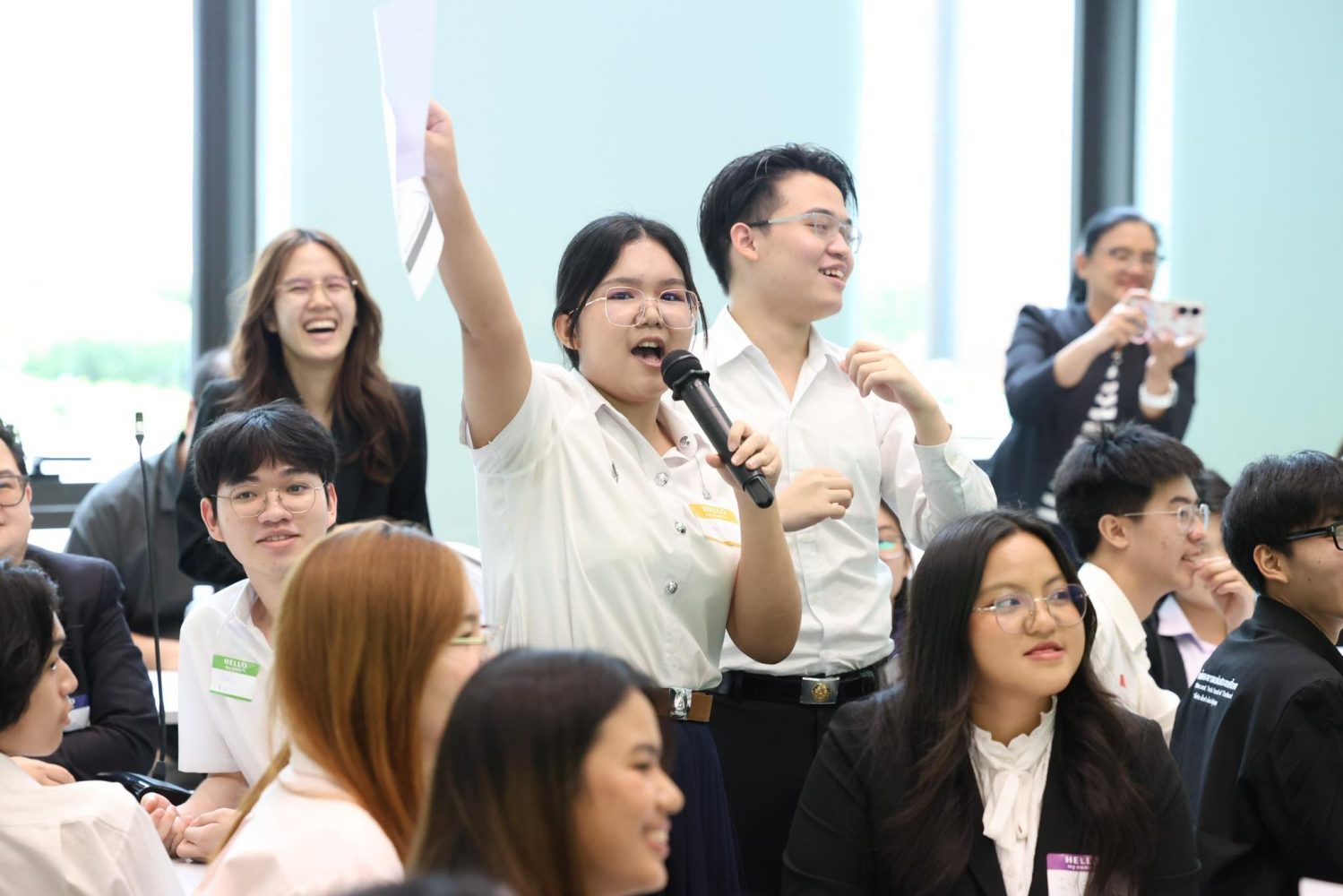
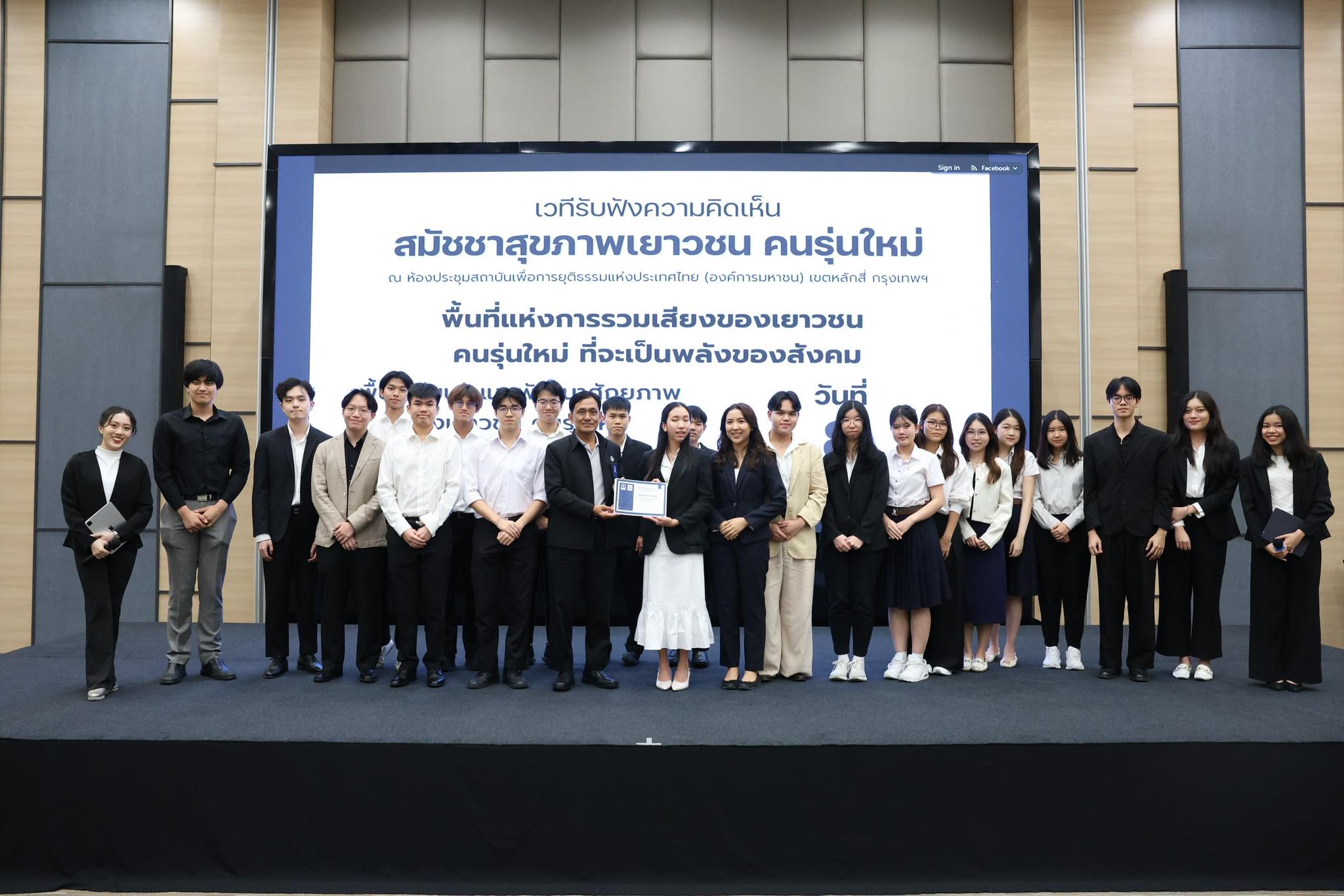
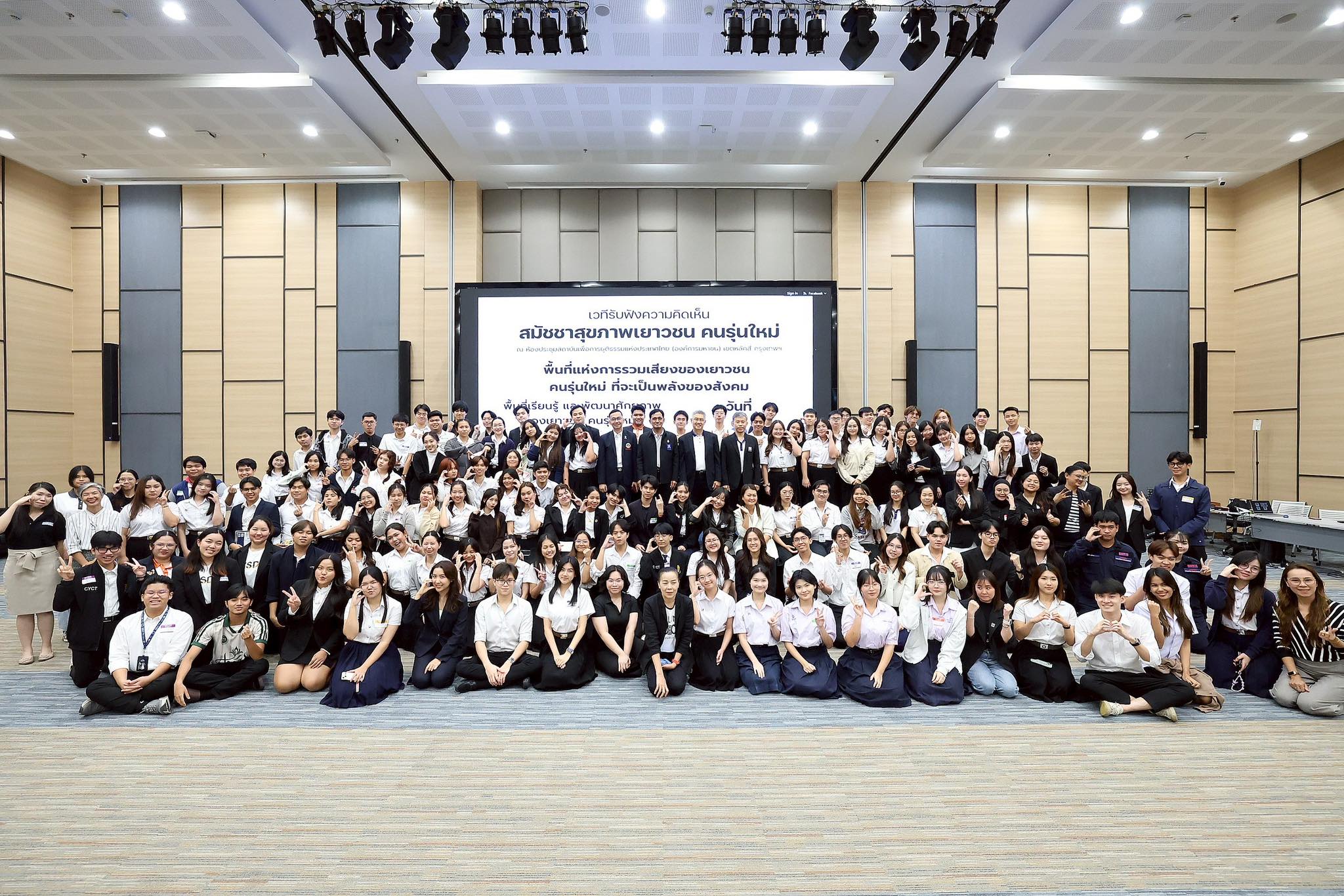
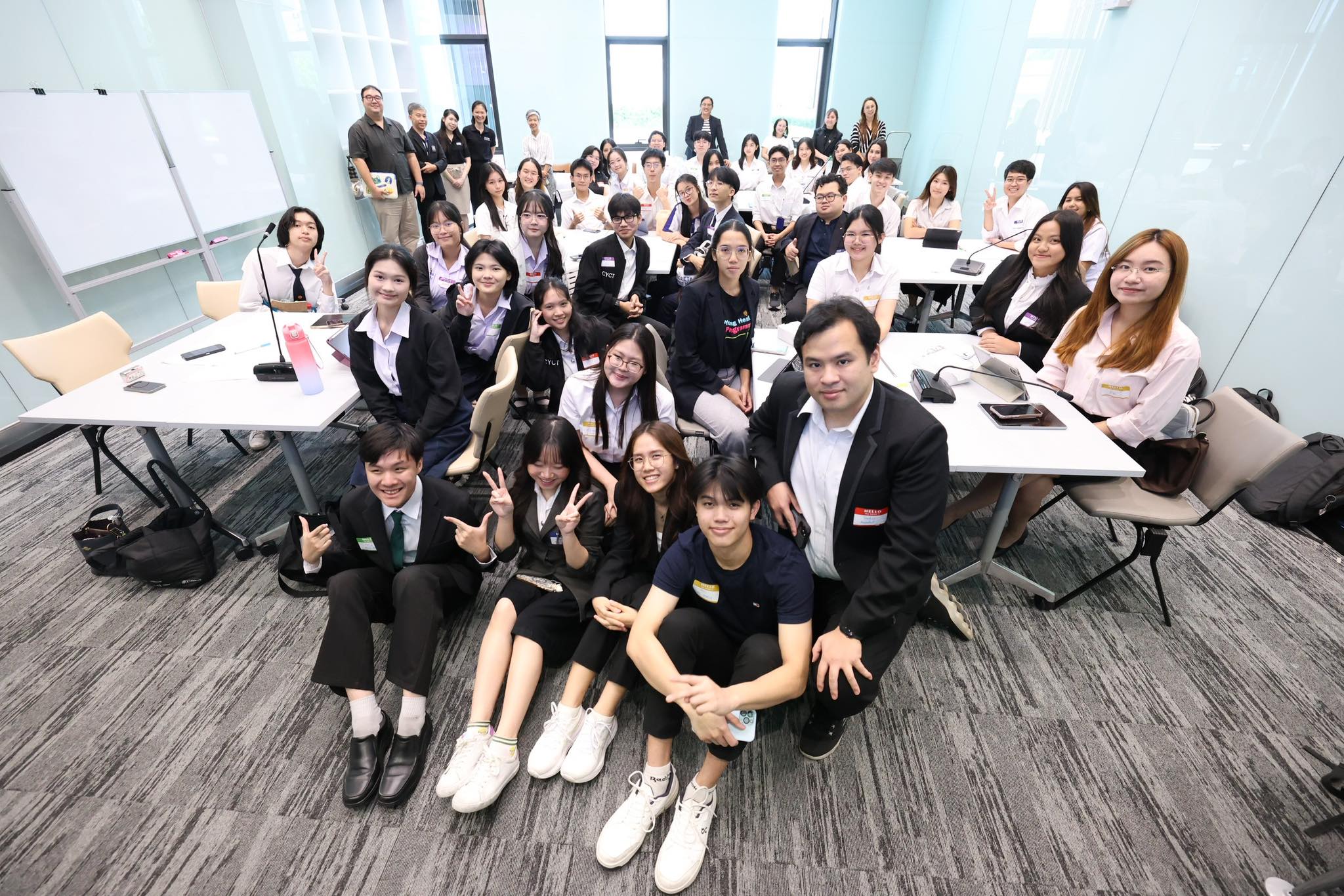
The National Health Commission Office (NHCO) in collaboration with various youth networks including Global Health Youth Fellowship Program (GHYFP), International Federation of Medical Students Association – Thailand (IFMSA Thailand), The Student Union of the Faculty of Medicine, Chulalongkorn University, Community Health Program and Environmental Health Program, Public Health Faculty, Mahidol University and Faculty of Medicine Vajira Hospital, Navamindradhiraj University organized the Youth National Health Assembly 2025 in November 8,2025, where over 200 Thai youth came together to share their opinions, comments and theirs voices on the five issues to be considered at the 18th National Health Assembly.
In addition, the Youth National Health Assembly also be the space that voices from young generations, students will shape the future of public health and sustainable development. Driven by the principle that public policy must emerge from the engagement of all stakeholders, this assembly empowers youth not only to participate but to lead in crafting actionable policies for Thailand’s well-being.
At a time when Thailand faces rapid demographic shifts, geopolitical uncertainty, energy transitions, emerging public-health threats, and the critical need for localized sustainable development, youth voices championed solutions across five agendas:
1. Creating Opportunities in the Silver Economy
With Thailand’s rapidly aging population, youth delegates identified the Silver Economy as a vital opportunity for social and economic resilience. They emphasized strengthening seniors’ capacities through digital and financial literacy before retirement, flexible and age-friendly employment, and retirement-policy reforms that support continued workforce participation.
Youth also highlighted the need for products and services tailored to older adults, calling for community-based digital access, co-designing tools with seniors, expanding research on elderly needs, and promoting awareness of assistive technologies.
Creating age-friendly environments was another priority—ranging from senior-friendly infrastructure to local government support and inclusive public spaces that promote independence and well-being.
Finally, youth stressed the importance of communication and digital inclusion, including digital-safety education, technology for long-term care, training for seniors and caregivers, and platforms that encourage intergenerational engagement and volunteering, which, ultimately unlocking innovative economic potential and inclusion.
2. Proactive Thai Health Systems Amidst Geopolitical Turbulence
Amid unprecedented geopolitical turbulence and interlinked crises shaking national security, Thailand’s health system stands at a crossroads. While recognized globally for its strength, it has largely played a reactive role—responding rather than leading change. The Youth National Health Assembly highlights the urgent shift needed toward a “Proactive Health System” that transforms challenges into opportunities.
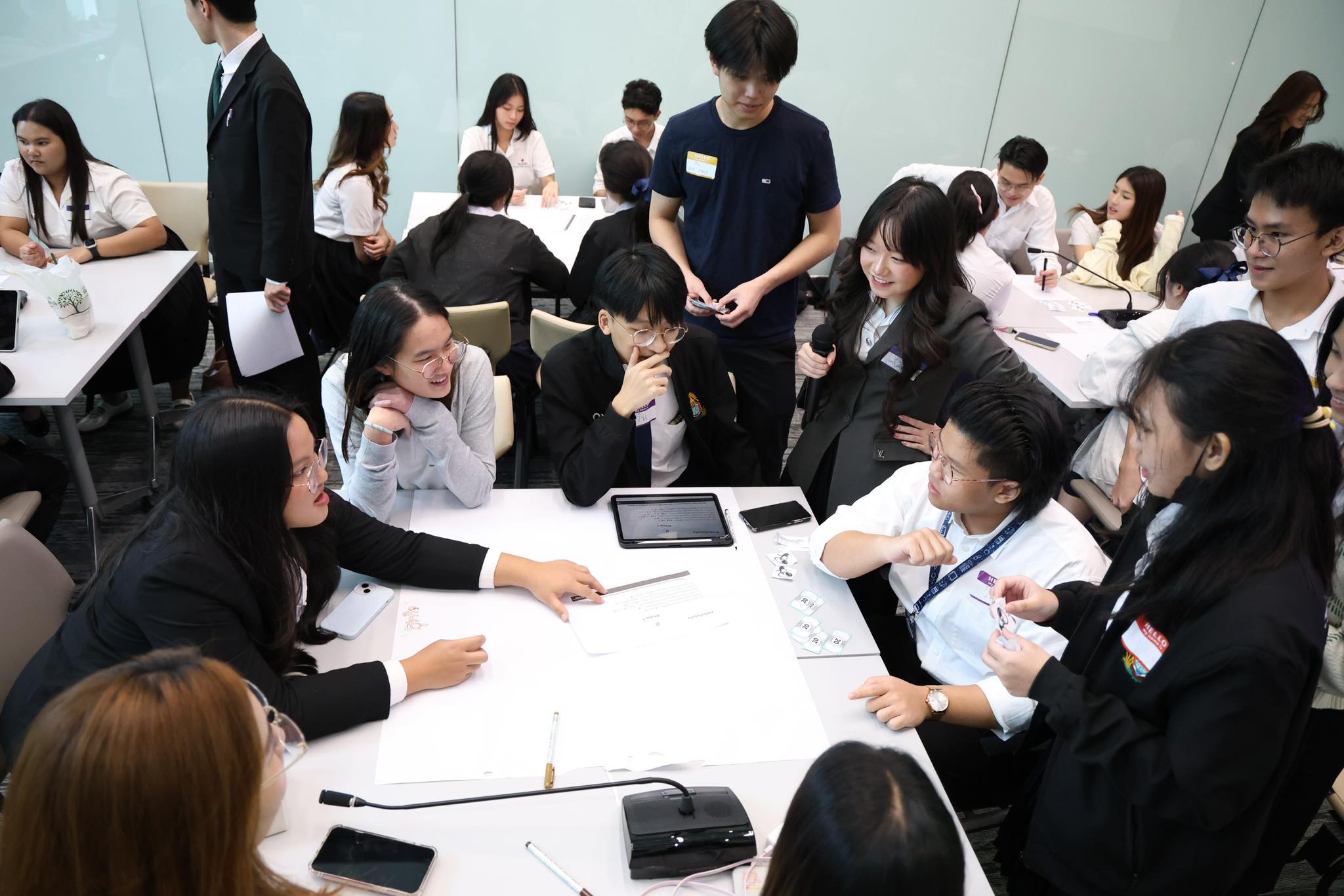
Through crisis simulations and case-based discussions, youth participants explored how Thailand can break the cycle of crisis–response–neglect and build a proactive, resilient health system. They called for sustainable health financing including a “Border Health Fund” to address health needs in border communities, ensuring budget allocations are based on disease burden and real community demands rather than hospital size alone. Larger hospitals are encouraged to support community hospitals through medical team rotations and telemedicine, enhancing equitable access.To promote health equity, youth proposed an innovative monitoring tool called the “Health Care System Fondue,” inspired by Traffy Fondue, an app that allows the public to report city issues directly to responsible agencies, and designed to transparently track health disparities between urban and rural communities.
They also called for forward-looking horizon scanning, and integrated cross-ministerial governance to ensure rapid, unified responses in times of crisis. Participants emphasized investing in the health workforce through training, digital innovation, and fair incentives, while urging transparent public consultation and local youth forums to strengthen community participation.
3. Facilitating a Just Energy Transition through Solar Power
Through a structured focus group discussion, youth participants identified solar power as a key solution for a fair and sustainable energy future. They called for stronger public education on solar technology, government-supported training, and new green-career pathways, especially in solar-waste management.
To ensure accessible and safe adoption, youth emphasized reducing installation costs, supporting domestic production, enforcing clear regulations on safety and waste disposal, and strengthening the role of local governments in installation guidance, maintenance, and annual inspections, since they are closest to the communities.
They also highlighted the need for community-based solar plants, cooperative energy models, fair electricity pricing, and government buy-back of excess household production. Addressing long-term waste, youth recommended clearer classification, expanded recycling facilities, and designated responsible agencies.
Overall, their proposals aim to make clean energy affordable, safe, community-driven, and accessible, especially for rural hospitals and underserved areas.
4. Management Systems for Health and Well-being in a Polycrisis
Thailand faces interconnected crises across health, economy, society, and environment, known as polycrises which amplify losses and undermine public trust. In response, youth participants engaged in case-based small-group discussions. Through this process, they reached a consensus on recommendations for resilient, adaptive, and coordinated crisis management.
To prepare, they proposed building national early-warning systems powered by artificial intelligence and predictive analytics to anticipate emergencies while safeguarding privacy. They also emphasized strengthening preparedness through learning, education, and capacity building to enable timely, evidence-informed decision-making.
For response, youths suggested flexible, creative problem-solving and centralized public communications for timely, accurate guidance.
For recovery, they called for community-driven mental health support and sustainable rebuilding programs and also stressed on continuous learning through post-crisis reflection forums to refine future preparedness and resilience.
5. Area-based Multi-stakeholder Mechanism for Sustainable Development
Youth participants underscored the need to strengthen local mechanisms that drive sustainable development—an often overlooked yet essential component for achieving inclusive progress. They envisioned vibrant communities supported by local development committees, clear operational systems, and collaborative policymaking among local agencies.
Participants emphasized the importance of creating safe spaces for public participation, expanding youth networks, and integrating SDG learning into education to build long-term community capacity. They also highlighted the need to improve accessibility for vulnerable groups and ensure that national policies can be effectively translated into local action.
Key challenges raised included inconsistent government continuity, limited capacity among responsible personnel, and entrenched structural inequalities that hinder efforts to leave no one behind.
At the heart of the assembly is the vision of participatory policymaking that ignites innovative and inclusive health solutions. Thai youth, seen as global citizens, move beyond participation to true partnership with policymakers, addressing Thailand’s evolving challenges with insight and courage. This growing youth-policy ecosystem invites young people and stakeholders nationwide to remain engaged, advocate for inclusive policies, and join future National Health Assembly dialogues. Their leadership proves that the next generation already grasps systemic issues, lives community realities, and offers fresh perspectives—driving Thailand toward a healthier, more equitable, and resilient future for all.
Credits & References
Overall Synthesis and Press Release Compilation
Miss Pawarisa Aungatichart, International Federation of Medical Students’ Association (Thailand)
Subtheme Contributors
Subtheme 1: Miss Paphapin Pairojtanachai, Global Health Youth Fellowship Program (GHYFP)
Subtheme 2: Miss Pawarisa Aungatichart, International Federation of Medical Students’ Association (Thailand)
Subtheme 3: Mr.Ratchanon Sukcharoen, Department of Environmental Health Science, Faculty of Public Health, Mahidol University
Subtheme 4: Mr.Peeradon Dutsadeevettakul, Faculty of Medicine Vajira Hospital, Navamindradhiraj University
Subtheme 5: Miss Mittraporn Triamtang, Miss Phakkhajira Onsurathum,
Department of Community Health, Faculty of Public Health, Mahidol University
Editor: Khanitta Saeiew, NHCO